Hybrid Inverter
How to Choose the Right Hybrid Solar Inverter for Your Home or Business
A hybrid solar inverter is the brain of your solar power system. It takes power from solar panels, charges your battery, runs your home appliances, and connects to the grid — all at the same time. If you are buying a solar system for the first time, or upgrading from a basic inverter, this guide helps you pick the right hybrid inverter for your needs.
How to Choose a Hybrid Solar Inverter (kW Selection by Home Size)
The first thing to decide is how much power you need. This depends on the size of your home or shop and the appliances you run.
2–3 BHK Home (1–2 ACs, fridge, fans, lights)
A 3kW to 5kW hybrid inverter works well for most 2-3 BHK homes. This covers your daily electricity needs during the day from solar panels and provides battery backup at night.
4 BHK Home or Small Office (2–3 ACs, printer, multiple fans)
Go for a 6kW to 8kW hybrid inverter. Larger homes with more appliances need higher capacity to run everything smoothly without overloading the system.
Shop, Clinic, or Small Factory (heavy equipment, multiple machines)
A 10kW to 15kW hybrid inverter is the right fit. These higher-capacity models handle commercial loads and provide enough backup for extended power cuts.
Simple Rule: Add up the wattage of all appliances you want to run at the same time. Divide by 1,000 to get the kW size you need. Always keep a 20% margin for future additions.
24V vs 48V: Which One Do You Need
The battery voltage of a hybrid inverter matters for system efficiency and cost.
24V Systems
Best for smaller setups — 2kW to 5kW inverters. A 24V system uses fewer batteries and works well for homes with moderate power needs. If you have a small home or shop and want a simple, affordable setup, 24V is a good choice.
48V Systems
Used in 6kW to 15kW inverters. A 48V system is more efficient for higher power loads because it draws less current from the battery, which means thinner cables and less energy loss. For larger homes, offices, and commercial setups, 48V is the standard.
When to choose 48V over 24V:
Your inverter capacity is 6kW or above
You plan to run multiple ACs or heavy appliances
You want better long-term efficiency
Lithium vs Lead-Acid Battery Compatibility
Most hybrid inverters today support both lithium and lead-acid batteries. But the two battery types work very differently.
Lead-Acid Batteries
Lower upfront cost
Heavy and need regular water topping
Typical life: 3–5 years
Work fine for basic backup needs
Lithium Batteries (LiFePO4)
Higher upfront cost, lower cost over 10 years
Lightweight, zero maintenance
Typical life: 8–10 years with 3000+ charge cycles
Charge faster and discharge deeper without damage
Which one should you choose?
If budget is tight now, lead-acid batteries work. But if you plan to use the solar system for 8–10 years, lithium batteries save money in the long run because you avoid 2–3 battery replacements.
All Nexus hybrid inverters support both lithium and lead-acid batteries. Check the specific model for compatibility details before purchasing.
Features That Set the Nexus Hybrid Range Apart
Battery-less operation. Every Nexus hybrid inverter can run without a battery connected, working like an on-grid system. Install panels and the inverter now, save on your bill from day one, and add a battery later when you want backup.
Parallel and three-phase capability. The 6kW, 8kW, 10kW and 11kW parallel-capable models can be combined for larger systems and configured as single-phase or three-phase — suitable for workshops, institutions and small factories.
Generator synchronization. The inverters can sync with a diesel generator, letting solar, grid, generator and battery work together in one system.
High-current MPPT options. Charge controller variants up to 100A and 160A support larger battery banks with faster charging.
Four battery chemistries. Lead-acid, tubular, lithium and sodium batteries are all supported — you are never locked into one battery type.
Remote operation, touch screen, full protection. Monitor and operate the system remotely, control it via touch screen, and rely on built-in electrical protection.
Made and repairable in India. The full range is designed and manufactured in India under the direction of founder Deepak Chaudhary, with repair support within India — no imported-spare-part delays.
Nexus Hybrid Inverter Range Compared
Model
Capacity
Battery System
MPPT
Battery Support
IP Rating
Warranty
MRP (Incl. GST)
Hybrid Inverter 2KW 24V
2kW
24V
MPPT
Lithium & Lead-acid
IP21
2 years
₹32,445.00
Hybrid Inverter 3KW 24V
3kW
24V
MPPT
Lithium & Lead-acid
IP21
2 years
₹44,047.50
3KW 24V INNO 9G Hybrid PCU IP54
3kW
24V
MPPT
Lithium & Lead-acid
IP54
4 years
₹50,400.00
Hybrid Solar Inverter 3.5KW 24V Advance Hybrid
3.5kW
24V
MPPT
Lithium & Lead-acid
IP54
4 years
₹47,040.00
4KW 24V INNO 8G Hybrid MPPT PCU
4kW
24V
MPPT
Lithium & Lead-acid
IP21
2 years
₹57,750.00
DEV HYD 5KW 24V MPPT Solar Inverter
5kW
24V
60V–450V MPPT
Lithium & Lead-acid
IP54
4 years
₹76,125.00
Hybrid Solar Inverter 6KW 48V Dual MPPT
6kW
48V
Dual MPPT
Lithium & Lead-acid
IP21
2 years
₹81,900.00
Hybrid Solar Inverter 6KW 48V Dual MPPT IP65
6kW
48V
Dual MPPT
Lithium & Lead-acid
IP65
5 years
₹131,250.00
Hybrid Inverter 8KW 48V Premium Dual MPPT Dual Output
8kW
48V
Dual MPPT
Lithium & Lead-acid
IP21
2 years
₹120,750.00
Hybrid Solar Inverter 10KW 48V
10kW
48V
MPPT
Lithium & Lead-acid
IP21
2 years
₹141,750.00
Hybrid Solar Inverter 11KW 48V Dual MPPT
11kW
48V
Dual MPPT
Lithium & Lead-acid
IP21
2 years
₹152,250.00
15KW 3-Phase Hybrid Solar Inverter
15kW
48V
MPPT
Lithium & Lead-acid
IP66
5 years
₹351,750.00
Warranty depends on the model’s IP protection rating: IP21 models carry a 2-year warranty, IP54 models a 4-year warranty, and IP65/IP66 models a 5-year warranty.
Frequently Asked Questions
What is the price range for a hybrid solar inverter in India?
Hybrid solar inverter prices in India range from ₹30,000 to ₹3,60,000 depending on capacity and features. A 2kW model starts around ₹32,000, while a 15kW three-phase model costs ₹3,51,750. Battery cost is separate.
How many kW inverter do I need for a 1.5-ton AC?
A 1.5-ton split AC uses about 1,200–1,500 watts. You need at least a 3kW hybrid inverter to run one AC along with other basic loads. For two ACs, go for 6kW or higher.
Can I claim subsidy on a hybrid solar inverter?
The PM Surya Ghar Muft Bijli Yojana provides subsidies for rooftop solar systems. The subsidy amount depends on your system capacity and state. Contact your local DISCOM or a certified solar installer for current subsidy rates in your area.
Are hybrid inverters compatible with lithium batteries?
Yes. All Nexus hybrid inverters support both lithium (LiFePO4) and lead-acid batteries. Check the specific model details for voltage and capacity compatibility before buying.
What warranty comes with a hybrid solar inverter?
Nexus hybrid inverter warranty depends on the IP protection rating: IP21 models carry a 2-year warranty, IP54 models carry a 4-year warranty, and IP65/IP66 models carry a 5-year warranty. Check the specific model’s IP rating before purchasing.
Where can I buy Nexus hybrid inverters?
Nexus Solar Energy has a dealer network across India. Visit nexussolarenergy.in/locator/ to find your nearest dealer, or contact Nexus directly via WhatsApp at +91 9258288616.
Read: Hybrid Inverter Manufacturer in India — The Battery-Less Technology Built by Nexus Solar Energy
Read the full guide: Hybrid Solar Inverter: The Complete India Guide
Showing all 13 results
-
Sale!
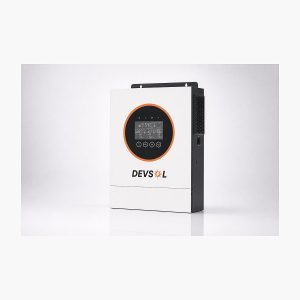
DEV HYD 5kW Hybrid Solar Inverter 24V | IP54 | MPPT | Battery-Less Capable | 4-Year Warranty*
MRP – ₹76,125.00 (Inclusive of all tax) Add to cart -
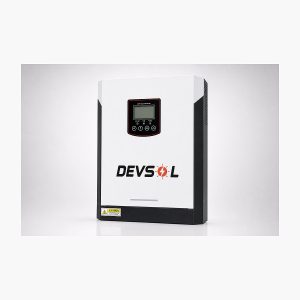
3kW Hybrid Solar Inverter 24V | MPPT | Battery-Less Capable | 4 Battery Types | 2-Year Warranty*
MRP – ₹44,047.50 (Inclusive of all tax) Add to cart -
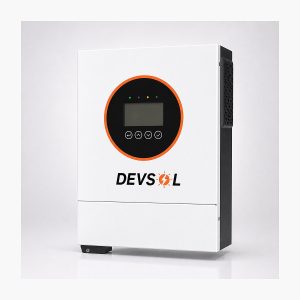
4kW INNO 8G Hybrid Solar Inverter 24V | MPPT PCU | Battery-Less Capable | 2-Year Warranty*
MRP – ₹57,750.00 (Inclusive of all tax) Read more -
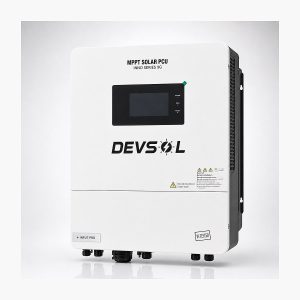
6kW Hybrid Solar Inverter 48V IP65 | Dual MPPT | Outdoor Rated | Battery-Less | 5-Year Warranty*
MRP – ₹131,250.00 (Inclusive of all tax) Add to cart -
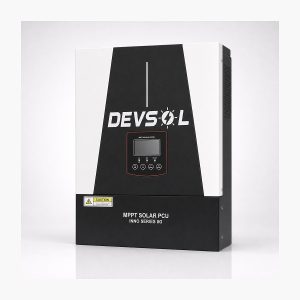
3.5kW Advance Hybrid Solar Inverter 24V | IP54 | MPPT | Battery-Less Capable | 4-Year Warranty*
MRP – ₹47,040.00 (Inclusive of all tax) Read more -
Sale!
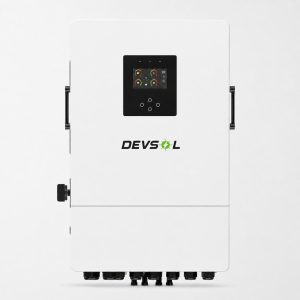
Devsol Hybrid 12kw IP66
MRP – ₹231,157.50 (Inclusive of all tax) Add to cart -
Sale!
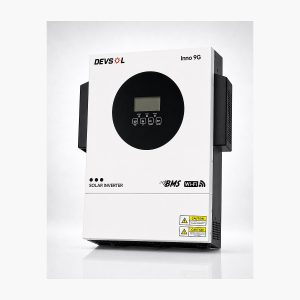
3kW INNO 9G Hybrid Solar Inverter 24V | IP54 Protected | Battery-Less Capable | 4-Year Warranty*
MRP – ₹50,400.00 (Inclusive of all tax) Add to cart -
Sale!
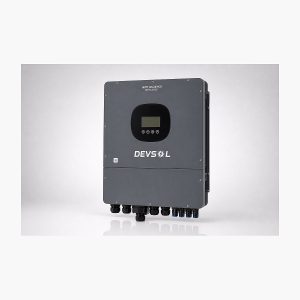
15kW Three-Phase Hybrid Solar Inverter | IP66 | Commercial & Industrial | Made in India | 5-Year Warranty*
MRP – ₹351,750.00 (Inclusive of all tax) Add to cart -
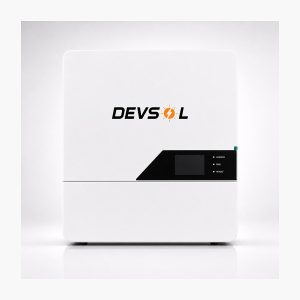
11kW Hybrid Solar Inverter 48V | Dual MPPT | Battery-Less | Parallel Ready | 2-Year Warranty*
MRP – ₹152,250.00 (Inclusive of all tax) Add to cart -
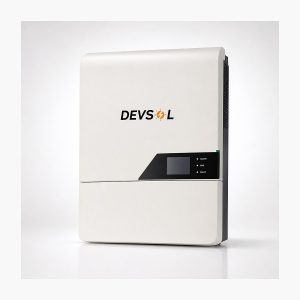
8kW Hybrid Solar Inverter 48V | Dual MPPT Dual Output | Battery-Less | Parallel Ready | 2-Year Warranty*
MRP – ₹120,750.00 (Inclusive of all tax) Add to cart -
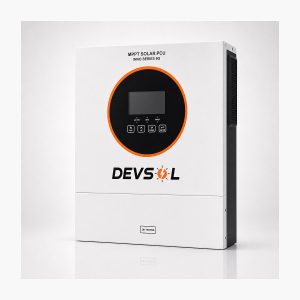
6kW Hybrid Solar Inverter 48V | Dual MPPT | Battery-Less Capable | Parallel Ready | 2-Year Warranty*
MRP – ₹81,900.00 (Inclusive of all tax) Add to cart -
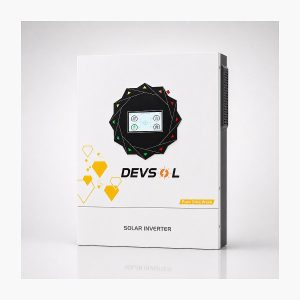
10kW Hybrid Solar Inverter 48V | MPPT | Battery-Less Capable | Parallel Ready | 2-Year Warranty*
MRP – ₹141,750.00 (Inclusive of all tax) Add to cart -
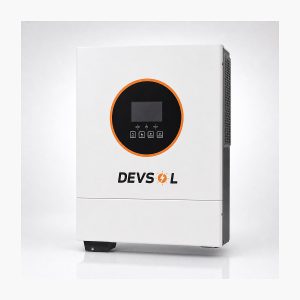
2kW Hybrid Solar Inverter 24V | MPPT | Battery-Less Capable | Lithium & Lead-Acid | 2-Year Warranty*
MRP – ₹32,445.00 (Inclusive of all tax) Read more
Hybrid Solar Inverters for Homes, Shops and Businesses
Nexus Solar Energy hybrid solar inverters are built for reliable solar power, battery backup and smart energy control. Choose from MPPT hybrid inverter models for homes, shops, offices and commercial solar systems with lithium battery and lead-acid battery compatibility.
- Hybrid solar inverter for home backup and rooftop solar systems
- MPPT hybrid inverter options from 3kW to 15kW
- Lithium battery compatible solar inverter solutions
- Dealer, distributor and commercial project support across India
Need help choosing the right capacity? Contact Nexus Solar Energy for solar system planning, product guidance and dealer support.