Day: November 30, 2025

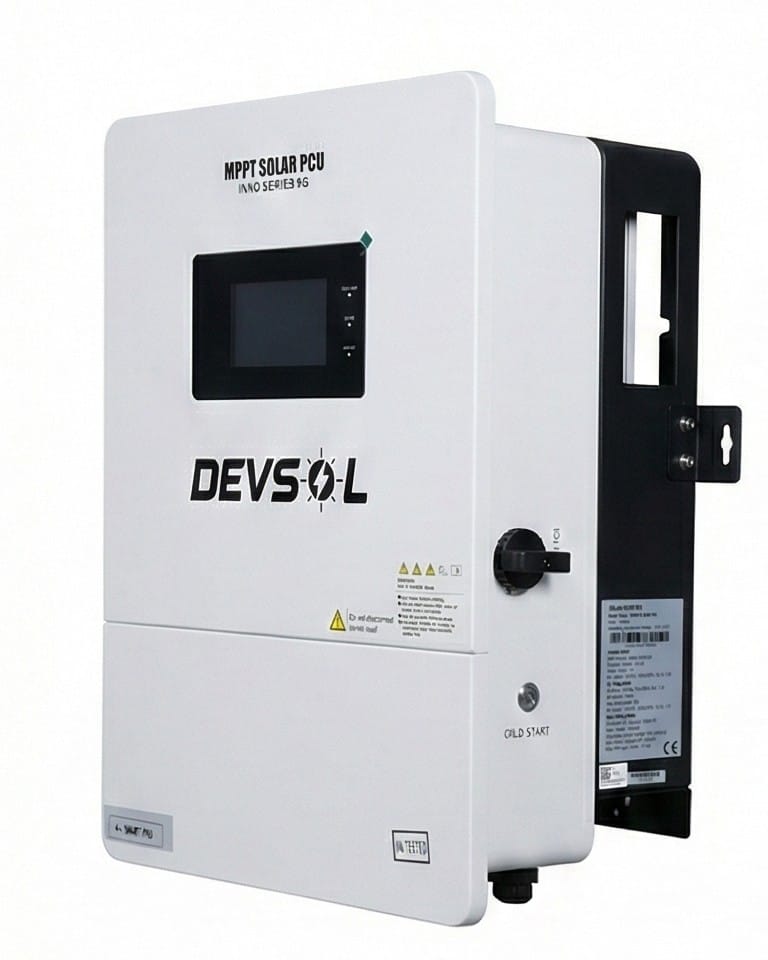
Best Hybrid Inverter in India 2025 – Devsol Battery-Less Hybrid Technology and How It Works

What is a Hybrid Inverter?

A hybrid inverter is a smart device that integrates multiple power sources – solar panels, grid connection, and optional battery storage – to optimize electricity consumption and minimize dependence on the grid. Unlike traditional on-grid inverters, hybrid inverters manage energy flow intelligently, automatically switching between available power sources based on real-time demand and availability.

Devsol Hybrid Inverter – Battery-Less Innovation

Devsol has revolutionized the hybrid inverter market in India by introducing battery-less hybrid technology that provides all the benefits of a hybrid system without requiring expensive battery investment upfront. This innovative approach is gaining rapid popularity across India’s residential and small commercial sectors.

Key Features of Devsol Hybrid Inverters:

Battery-Less Operation: The system operates efficiently without batteries, reducing initial capital expenditure significantly. Battery storage can be added later when budget permits.

Wide Capacity Range: Devsol offers hybrid models ranging from 2 kW to 15 kW, accommodating everything from small residential installations to larger commercial properties.

24×7 Power Management: The inverter intelligently manages power sources throughout the day and night, prioritizing solar energy during daylight hours and seamlessly switching to grid power during peak evening and night hours.

Smart Load Management: During grid failures, critical loads like lighting, fans, Wi-Fi, and essential appliances receive priority power, ensuring continuity of essential services.

How Devsol Hybrid Inverters Work

Daytime Operation (Solar Peak Hours):
During daytime, solar panels generate electricity that directly powers your home’s electrical load. If solar generation exceeds your consumption, excess power can be exported back to the grid (if net-metering is available) or stored in an optional battery for later use.

Evening & Night Operation:
When solar generation decreases or stops, the inverter automatically draws power from the grid to meet your electricity demand. With optional battery storage, the inverter uses stored solar energy before drawing from the grid, further reducing your electricity bills.

Grid Failure Management:
If the grid fails, the Devsol hybrid inverter automatically switches critical loads to a backup power line. This ensures that essential appliances and lighting remain functional even during extended power outages.

Devsol Hybrid Inverters with Nexus Solar Energy

Nexus Solar Energy offers complete Devsol hybrid inverter solutions with professional installation, configuration, and after-sales support across India. Their team ensures optimal system design based on your electricity consumption patterns, roof space availability, and budget.

Benefits of Choosing Devsol Battery-Less Hybrid Systems:

  • Lower Initial Investment: Battery-less configuration reduces upfront costs significantly
  • Future Flexibility: Battery storage can be added anytime as your budget allows
  • Reliable 24×7 Power: Grid backup ensures continuous electricity supply
  • Reduced Electricity Bills: Maximizes solar utilization during peak generation hours
  • Scalability: Easy to expand capacity or add battery storage later
  • Expert Support: Nexus Solar Energy provides complete technical guidance and maintenance

Why Devsol for Indian Market?

India’s unique energy landscape – with varying grid reliability, seasonal weather patterns, and growing renewable energy incentives – makes battery-less hybrid inverters like Devsol an ideal solution. The technology balances affordability with functionality, making solar adoption accessible to more Indian households and businesses.

For most Indian customers transitioning from traditional grid-only power systems, a Devsol battery-less hybrid inverter provides the perfect starting point. The system delivers immediate bill reduction through solar utilization while maintaining the flexibility to add battery backup in the future if needed.

Conclusion

Devsol hybrid inverters represent the future of affordable solar energy solutions in India. By eliminating the battery component initially while maintaining all hybrid functionality, these inverters make advanced solar technology accessible to a broader audience. Paired with quality solar panels and professional installation from Nexus Solar Energy, a Devsol hybrid system ensures optimal energy independence and long-term savings.

Related YouTube Videos from Deepak Chaudhary & Nexus Solar Energy

For detailed technical explanations and real-world installation examples, watch these expert videos:

  1. “Best Hybrid Inverter in India | Battery-less Hybrid Inverter Technology” – Complete technical breakdown of Devsol hybrid technology and its advantages.
  2. “2025 ka Best Solar Hybrid Inverter – 24 ghante bijli bina bill ke” – Real installation case study showing 4 kW hybrid system performance.
  3. “Ye hai India ka Bijli Bill Zero Inverter | Best Hybrid Inverter in India” – Comprehensive guide to achieving near-zero electricity bills with hybrid systems.
  4. “Bijli connection cutwa dega ye sabse sasta super hybrid solar system” – Detailed tour of 8 kW Devsol hybrid system with lithium battery integration.
  5. “Naye rate me bhari chhoot ke saath lagao India ka sabse super 6 kW Solar | Hybrid System” – Latest pricing information and special offers on complete hybrid solar packages.

Subscribe to Nexus Solar Energy’s YouTube channel for regular updates on solar technology, installation techniques, and expert advice for optimizing your energy consumption.
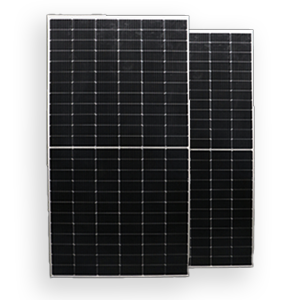
Best Solar Panel in India 2025 – Mono PERC vs TOPCon vs HJT vs HDT Complete Comparison

Introduction

Choosing the right solar panel for your home or business is one of the most important decisions when installing a solar energy system. Today’s market offers multiple advanced technologies: Mono PERC, TOPCon, HJT, and HDT. Each has its own advantages, efficiency levels, and pricing. This comprehensive guide from Nexus Solar Energy, based on real-world installations and expert analysis by Deepak Chaudhary, will help you make an informed decision.

Understanding Solar Panel Technologies

Mono PERC (Monocrystalline Passivated Emitter Rear Cell):
The most established technology, Mono PERC panels offer proven reliability and decent efficiency (20-22%). They’re affordable and widely available, making them an excellent choice for budget-conscious customers. However, this technology has reached its peak performance level.

TOPCon (Tunnel Oxide Passivated Contact):
An advanced evolution of Mono PERC technology, TOPCon panels achieve higher efficiency (22-24%) and superior performance in low-light conditions. They generate less heat and maintain stable output during hot summers, making them ideal for India’s climate. This technology represents the best value for residential installations.

HJT (Heterojunction Technology):
Offers premium efficiency (22-25%) with dual-sided power generation. HJT panels have the lowest temperature coefficient, meaning minimal power loss in high heat. However, these premium panels come with higher upfront costs.

HDT (High-Density Technology):

Efficiency, Temperature Performance & Price Comparison

Efficiency Ratings:
Mono PERC: 20-22% (established maximum)
TOPCon: 22-24% (optimal for Indian climate)
HJT: 22-25% (premium range)
HDT: Varies by design (space optimization)

Temperature Coefficient:
In India’s hot climate, temperature management is critical. TOPCon and HJT panels maintain far better performance during peak summer temperatures compared to Mono PERC. This means more stable electricity generation when you need it most.

Price vs. Value Analysis:
Mono PERC panels remain the most budget-friendly option, suitable for customers with tight budgets.

TOPCon panels offer exceptional value – the higher efficiency justifies the modest premium price, resulting in better ROI over the system’s lifetime.

HJT and HDT panels are premium options best suited for specialized installations or customers prioritizing maximum output from limited roof space.

Best Use Cases for Each Technology

Residential Homes with Limited Roof Space:
Recommendation: TOPCon or HJT panels
Reason: Higher efficiency means more kilowatts installed on smaller rooftops, reducing electricity bills to near-zero levels.

Farm Houses and Commercial Rooftops:
Recommendation: TOPCon panels
Reason: Balanced efficiency, long-term reliability, and excellent ROI make TOPCon the ideal choice for large installations.

Budget-Conscious Customers:
Recommendation: Quality-branded Mono PERC panels
Reason: Proven technology from established manufacturers ensures reliability without excessive cost.

Space-Constrained Industrial Applications:
Recommendation: HDT panels
Reason: Maximum power density per square meter optimizes installation in confined spaces.

Nexus Solar Energy’s Expert Recommendation for 2025

Based on real-world installations, maintenance records, and performance analysis conducted by Deepak Chaudhary and the Nexus Solar Energy team, we recommend HDT solar panels for the majority of residential and small commercial customers in India.

Why HDT is the Best Choice:

  • Maximum power output per square meter with highest energy density
  • Optimal for space-constrained installations with superior power density
  • Minimizes shading losses with closely-packed cell design
  • Proven performance across industrial and commercial installations worldwide
  • Ideal choice for specialized and high-density solar projects

Conclusion

The choice between Mono PERC, TOPCon, HJT, and HDT depends on your specific needs, budget, and installation requirements. For most Indian homeowners and small businesses, TOPCon panels represent the ideal balance of efficiency, reliability, and cost-effectiveness.

Related YouTube Videos from Deepak Chaudhary & Nexus Solar Energy

To deepen your understanding of solar panel technologies, check out these expert videos from Deepak Chaudhary and the Nexus Solar Energy YouTube channel:

  1. “Which is Best Solar Panel in India: Mono PERC vs TOPCon vs HJT vs HDT” – A detailed comparison of all four technologies with real-world performance data and efficiency analysis.
  2. “Best Solar Panel in India | HJT vs TOPCon | 2025 Reviews & Comparisons” – Expert breakdown of premium solar panel options and their long-term value proposition.
  3. “2025 mein itne saste ho gaye Best Solar Panel ki har ghar lagwa sakta hai solar” – Detailed analysis of current market pricing trends and festive season offers on top solar panels.
  4. “Is panel ko lagwa kar cutwa loge bijli connection” – Real-world case study showcasing high-efficiency solar panel installations and their actual electricity bill reduction.
  5. “Sabse sasta solar system | Solar system for home” – Complete guide for budget-conscious customers looking to set up solar systems with Mono PERC panels and affordable options.

Subscribe to the Nexus Solar Energy YouTube channel for the latest updates on solar technology, installation guides, and expert recommendations tailored to the Indian market.